
Conoce el espinoso camino hacia la paz en Medio Oriente

The thorny path to peace in the Middle East By José López Zamorano | La Red Hispana Photos: Shutterstock The images were stunning and moving: the last 20 Israeli hostages were freed by Hamas, and in response, Israel released nearly 2,000 Palestinian prisoners. Almost simultaneously, the “first phase” of a peace plan brokered by the United States, Egypt, Qatar, and Turkey was signed, intended to end one of the most vicious conflicts in the Middle East in recent years. It was undoubtedly a diplomatic and geopolitical success for President Donald Trump. He received the unprecedented distinction of speaking before the Knesset, Israel’s unicameral parliament, but his most coveted goal is the Nobel Peace Prize next year. Yet, as the euphoria of reunited families and the calm of a ceasefire settle in the region, a sobering prospect remains: this is – for now – a pause, not a peace. But if we look beyond the headlines, the structural cracks in this agreement are beginning to show. The current arrangement is merely Phase One of a broader, ambitious 20-point plan. The “easy” part is done. The hard part, the core issues, remain. The most important questions loom over the future of Gaza. The Disarmament of Hamas: Israeli Prime Minister Benjamin Netanyahu has promised that Gaza will be demilitarized, a pre-condition the government is unlikely to negotiate. Hamas, for its part, is the Islamic Resistance Movement and sees its weapons as its only lever and reason for being. Gaza Governance: The plan envisions a “Peace Board” led by Trump and, if accepted by the parties, by former British Prime Minister Tony Blair. In addition, an International Stabilization Force – composed of Arab and Muslim troops, as well as 200 U.S. soldiers – has been proposed, but details are lacking. The Political Horizon: Hamas has stated that it sees the agreement as an “end of the war” and a step toward “self-determination.” Israel, however, has only approved the hostage/prisoner exchange arrangement, notably avoiding any mention of a path to a Palestinian state or a permanent end to hostilities. It is obvious that, for peace to be lasting, and not just a prolonged truce, the political aspirations of millions of Palestinians can no longer be ignored. For now, we must embrace the relief and celebrate the lives saved. But for peace to be “strong, lasting, and eternal,” it must be built on more than a temporary exchange of those detained and a wave of humanitarian aid. It requires both sides to confront their most painful red lines and for the international community to hold them accountable for a vision that goes beyond an immediate cessation of violence and moves toward a legitimate political future for all. The pause has begun. The real and agonizing work of building peace cannot be put off for another day. For more information, visit laredhispana.org. Conoce el espinoso camino hacia la paz en Medio Oriente Por José López Zamorano | La Red Hispana Casi simultáneamente se firmó la “primera fase” de un plan de paz mediado por Estados Unidos, Egipto, Qatar y Turquía, con la intención de apagar uno de los conflictos más despiadados en Medio Oriente durante los últimos años. Fue sin duda un éxito diplomático y geopolítico para el presidente Donald Trump. Recibió la distinción inédita de hablar ante el Knesset, el parlamento unicameral israelí, pero su anhelo más codiciado es el Premio Nobel de la Paz el próximo año. Es una transacción que aborda las necesidades humanitarias inmediatas y una crisis política urgente, pero deja peligrosamente sin resolver las monumentales preguntas del conflicto. Pero si miramos más allá de los titulares, se empiezan a asomar las grietas estructurales en este acuerdo. El arreglo actual es meramente la Fase Uno de un plan más amplio, ambicioso de 20 veinte puntos. La parte “fácil” está hecha. La parte difícil, los problemas centrales son lo que quedan pendientes. Las preguntas más importantes se ciernen sobre el futuro de Gaza. El desarme de Hamás: El primer ministro de Israel, Benjamín Netanyahu, ha prometido que Gaza será desmilitarizada, una condición previa con la que es poco probable que el gobierno negocie. Hamás, por su parte, es el Movimiento de Resistencia Islámica y ve sus armas como su única palanca y razón de ser. La gobernanza de Gaza: El plan prevé una “Junta de Paz” dirigida por Trump y, de ser aceptado por las partes, por el ex primer ministro británico Tony Blair. Además, se ha propuesto una Fuerza de Estabilización Internacional—compuesta por tropas árabes y musulmanas, así como 200 soldados estadounidenses, pero faltan detalles. El horizonte político: Hamás ha declarado que ve el acuerdo como un “fin de la guerra” y un paso hacia la “autodeterminación”. Israel, sin embargo, solo ha aprobado el esquema de intercambio de rehenes/prisioneros, evitando notablemente cualquier mención de un camino hacia un Estado palestino o un fin permanente de las hostilidades. Es obvio que, para que la paz sea duradera, y no solo una tregua prolongada, las aspiraciones políticas de millones de palestinos no pueden seguir siendo ignoradas. Por ahora, debemos acoger el alivio y celebrar las vidas salvadas. Pero para que la paz sea “fuerte, duradera y eterna”, debe construirse sobre algo más que un intercambio temporal de cautivos y una oleada de ayuda. Requiere que ambas partes confronten sus líneas rojas más dolorosas y que la comunidad internacional las haga responsables de una visión que vaya más allá del cese inmediato de la violencia y avance hacia un futuro político legítimo para todos. La pausa ha comenzado. El trabajo real y agonizante de construir la paz, no puede dejarse para otro día. Para más información, visite laredhispana.org.
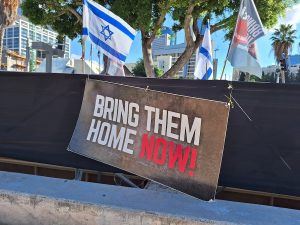 A sign calling for the return of Israeli hostages posted at the Tel Aviv Museum of Art Square.
 It’s a transaction that addresses immediate humanitarian needs and an urgent political crisis, but it leaves the monumental questions of the conflict dangerously unresolved.
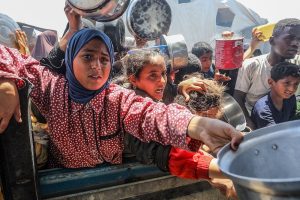 Palestinians receive meals from volunteers in the Mawasi area of the Gaza Strip.
Photo: Anas-Mohammed / Shutterstock.com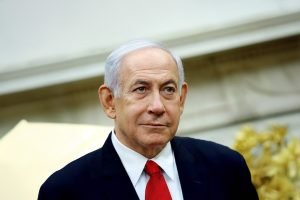 Israeli PM Benjamin Netanyahu.
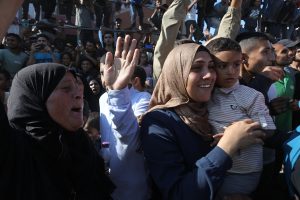 Family members await Palestinian prisoners released in a ceasefire deal between Israel and Hamas at Nasser Hospital in the southern Gaza Strip.
Photo: Anas-Mohammed / Shutterstock.com Noa Argamani (left) is embraced by Avinatan Or as he is released.
Photo: Israel Defense Forces Las imágenes fueron deslumbrantes y conmovedoras: los últimos 20 rehenes israelíes vivos fueron liberados por Hamás y, en respuesta, Israel liberó a cerca de 2,000 prisioneros palestinos.
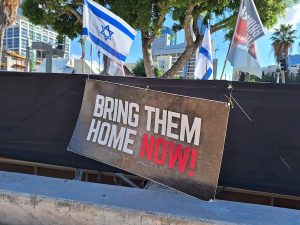 Un cartel que exige el regreso de los rehenes israelíes, colocado en la Plaza del Museo de Arte de Tel Aviv.
 Sin embargo, a medida que la euforia de las familias reunidas y la calma de un alto el fuego se asienta en la región, persiste una perspectiva aleccionadora: esto es por ahora una pausa, no una paz.
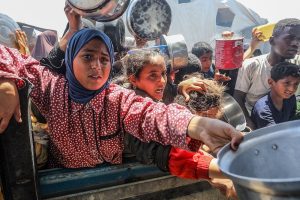 Palestinos reciben comida de voluntarios en la zona de Mawasi, en la Franja de Gaza.
Foto: Anas-Mohammed / Shutterstock.com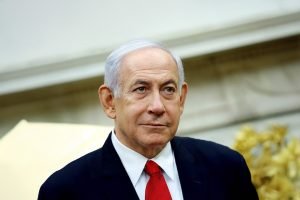 El primer ministro israelí, Benjamín Netanyahu.
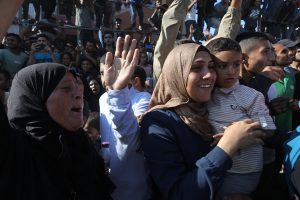 Familiares esperan a los prisioneros palestinos liberados en el acuerdo de alto el fuego entre Israel y Hamás en el Hospital Nasser, en el sur de la Franja de Gaza.
Foto: Anas-Mohammed / Shutterstock.com Noa Argamani (izquierda) es abrazada por Avinatan Or al ser liberado.
Foto: Fuerzas de Defensa de Israel


