
Can birthright citizenship be annulled?
¿Se puede anular la ciudadanía por nacimiento?
Can birthright citizenship be annulled?
By José López Zamorano | La Red Hispana
 A few weeks after returning to power, Donald Trump revived a controversial and divisive idea: eliminating birthright citizenship from the children of undocumented immigrants born in the United States.
“We’re going to have to change it. Maybe we have to go back to the people,” Trump said this weekend in an interview with NBC’s Kristen Welker. “We have to end this. It’s ridiculous.”
 Questions have again arisen about birthright citizenship.
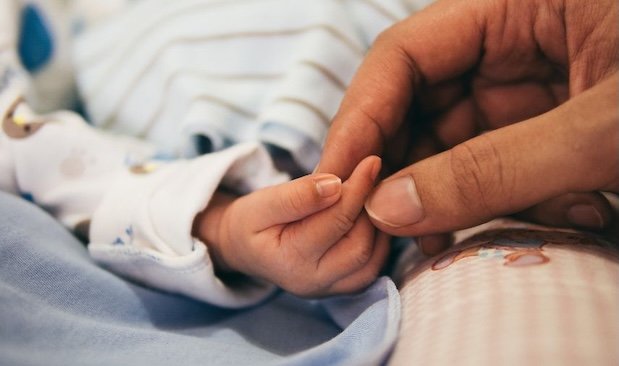
Photo: laredhispana.org
The proposal is not new. Trump proposed the plan through an executive order during his first presidential campaign in 2016, but now he is returning with greater intensity, in an attempt to strengthen his electoral base and ignite debates in a polarized country.
“I was going to do it through executive action, but then we had to fix Covid first, to be honest with you,” Trump said.
The reality is that ending birthright citizenship in the United States would likely require a constitutional amendment.
The 14th Amendment to the Constitution explicitly states: “All persons born or naturalized in the United States, and subject to the jurisdiction thereof, are citizens of the United States and of the State in which they reside.”
This has been interpreted to mean that anyone born in the United States, regardless of their parents’ immigration status, is a citizen.
The United States Supreme Court case United States v. Wong Kim Ark (1898) confirmed this interpretation for children of noncitizen parents who were lawfully present in the United States.
Although it did not directly address undocumented immigrants, this precedent supports the principle of birthright citizenship.
While Congress can pass laws to clarify certain aspects of citizenship, overriding a constitutional right such as birthright citizenship would likely exceed legislative authority. Such a law would almost certainly be challenged in court and face 14th Amendment scrutiny.
Amending the Constitution is a complicated process. It requires approval by two-thirds of the House and Senate, followed by ratification by three-quarters of the state legislatures or a constitutional convention called by two-thirds of the state legislatures (a method that has never been used successfully).
Without an amendment or radical reinterpretation of the 14th Amendment by the Supreme Court, birthright citizenship will remain a constitutional guarantee.
That is to say: Trump can try to annul that right, but it is a path full of thorns and legal challenges that make it unlikely that he will succeed. In addition, Republicans will have a slim advantage in the legislature, where Democrats are opposed.
In other words, the plan is likely to end up in the ceremonial drawer of bad ideas.
For more, visit laredhispana.org.
¿Se puede anular la ciudadanía por nacimiento?
Por José López Zamorano | La Red Hispana
A unas semanas de regresar al poder, Donald Trump revivió una idea polémica y divisiva: eliminar la ciudadanía por nacimiento a los hijos de inmigrantes indocumentados nacidos en Estados Unidos.
“Vamos a tener que cambiarlo. Tal vez tengamos que volver a la gente”, dijo Trump este fin de semana en una entrevista con Kristen Welker de NBC. “Tenemos que terminar con esto. Es ridículo”.
La propuesta no es nueva. Trump propuso el plan a través de una orden ejecutiva durante su primera campaña presidencial en 2016, pero ahora regresa con mayor intensidad, en un intento por afianzar su base electoral y encender debates en un país polarizado.
“Iba a hacerlo a través de una acción ejecutiva, pero luego tuvimos que solucionar el COVID primero, para ser honesto con usted”, dijo Trump.
 ¿Se podría eliminar la ciudadanía por nacimiento en los Estados Unidos?
Foto: laredhispana.org
La realidad es que terminar con la ciudadanía por derecho de nacimiento en los Estados Unidos probablemente requeriría una enmienda constitucional.
La Enmienda 14 de la Constitución establece explícitamente: “Todas las personas nacidas o naturalizadas en los Estados Unidos, y sujetas a la jurisdicción de los mismos, son ciudadanos de los Estados Unidos y del Estado en el que residen.”
Esto se ha interpretado como que cualquier persona nacida en los Estados Unidos, independientemente del estatus migratorio de sus padres, es un ciudadano.
El caso de la Corte Suprema de los Estados Unidos Estados Unidos v. Wong Kim Ark (1898) confirmó esta interpretación para los hijos de padres no ciudadanos que estaban legalmente presentes en los Estados Unidos.
Aunque no abordó directamente a los inmigrantes indocumentados, este precedente apoya el principio de la ciudadanía por derecho de nacimiento.
Si bien el Congreso puede aprobar leyes para aclarar ciertos aspectos de la ciudadanía, anular un derecho constitucional como la ciudadanía por derecho de nacimiento probablemente excedería la autoridad legislativa. Es casi seguro que una ley de ese tipo sería impugnada en los tribunales y se enfrentaría al escrutinio de la 14.ª Enmienda.
Enmendar la Constitución es un proceso complicado. Requiere la aprobación de dos tercios de la Cámara y el Senado, seguida de la ratificación de tres cuartos (38) de las legislaturas estatales o una convención constitucional convocada por dos tercios de las legislaturas estatales (un método que nunca se ha utilizado con éxito).
Sin una enmienda o una reinterpretación radical de la 14.ª Enmienda por parte de la Corte Suprema, la ciudadanía por nacimiento seguirá siendo una garantía constitucional.
Es decir: Trump sí puede intentar anular ese derecho, pero se trata de un camino lleno de espinas y retos legales que hacen improbable que tenga éxito. Además, los republicanos tendrán una ventaja mínima en la Cámara Alta y la Cámara Baja, donde los demócratas se oponen. En otras palabras, es probable que el plan termine en el cajón ceremonial de las malas ideas.
Para más, visite laredhispana.org.


